
The Hormonal Axis of Weight Loss: Mastering Leptin, Ghrelin, and Insulin Resistance
Calorie deficits alone often fail because metabolic hormones fight back. Here is the neuroendocrine blueprint to restore leptin sensitivity and stop hunger spikes.
Key Clinical Takeaways
- ✓ Leptin communicates energy abundance to the hypothalamus; when triglycerides are elevated, they block leptin crossing the blood-brain barrier.
- ✓ Ghrelin rises on a circadian schedule, peaking prior to customary meal times rather than solely responding to an empty stomach.
- ✓ High-protein meals (30-40g per feeding) trigger peptide YY (PYY) and GLP-1 release while suppressing ghrelin for up to 5 hours.
Many individuals attempting to lose weight feel as though they are trapped in a constant willpower battle with their appetite. However, willpower is quickly overpowered by millions of years of evolutionary biochemistry when hormones like leptin, ghrelin, and insulin signal perceived starvation.
The Hunger Control Loop: The Hypothalamic Circuit
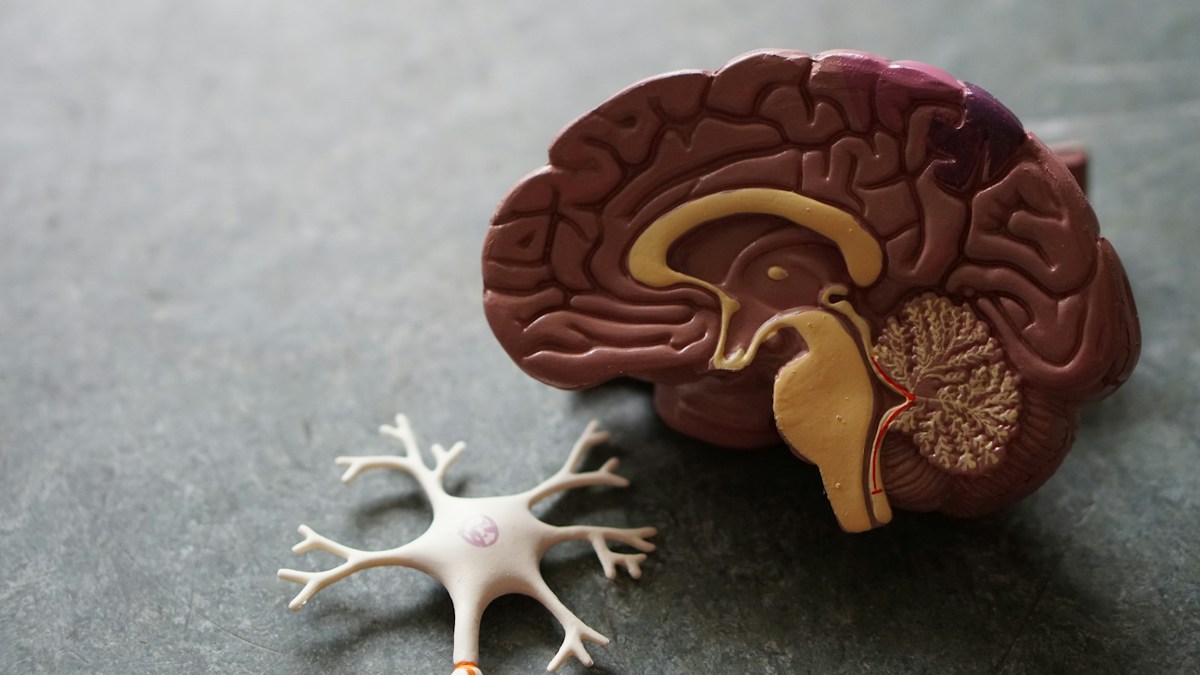
Energy balance is governed by the arcuate nucleus of the hypothalamus, which houses two opposing neuronal populations:
- NPY/AgRP Neurons: Orexigenic (appetite-stimulating) drivers that decrease metabolic burn rate and trigger voracious foraging behavior.
- POMC/CART Neurons: Anorexigenic (appetite-suppressing) drivers that stimulate energy expenditure via sympathetic nervous outflow.
Leptin, produced by fat cells, is meant to stimulate POMC and suppress AgRP. However, in individuals with elevated visceral fat, constant hyperleptinemia causes receptor downregulation and blood-brain barrier transport inhibition. The brain thinks the body is starving despite high adiposity.
Clinical Strategies to Lower Ghrelin and Awaken Satiety
To reverse this feedback breakdown, implement targeted dietary tactics that mechanical stretch receptors and chemical gut hormones rely on:
- Prioritize Viscous Soluble Fiber: Beta-glucan and glucomannan delay gastric emptying and prolong ileal brake activation.
- Optimize Meal Frequency: Constant snacking prevents insulin from reaching basal troughs, locking adipose tissue in an anabolic state. Consuming 2 to 3 distinct meals within an 8-to-10 hour window restores hormone rhythmicity.
Get The 7-Day Health Topics Action Protocol
Download our actionable, 1-page clinical protocol summary, printable testing sheet, and weekly dosage tracker to put this guide into practice immediately.